Global workspace procurement
HVAC is the largest energy load in most offices and the most common source of occupant complaints. We source equipment against a heat load calculation, an occupancy profile and a ventilation strategy rather than a tonnage rule of thumb.
Comfort, ventilation and air quality specified against real occupancy.
Positioning
Ventilation rate, filtration and humidity control affect how a workspace feels far more than raw cooling capacity. Fresh air is the part most often value-engineered out and most often regretted.
Equipment selection accounts for part-load performance and service access. An office rarely runs at design load, so part-load efficiency drives the actual running cost.
What we can source
Best for
Direct sourcing & bulk procurement
Major HVAC equipment is sourced through manufacturer-authorised channels with commissioning, spares and annual maintenance terms agreed before the order.
Sensors, monitors, thermostats and ancillary items can be consolidated across sites and sourced directly, particularly on multi-site programmes.
Direct manufacturer supply is used where it is genuinely available for the category and volume. Where a brand supplies only through authorised partners, we buy that route to protect warranty and benchmark it so the difference is visible.

Reference imagery
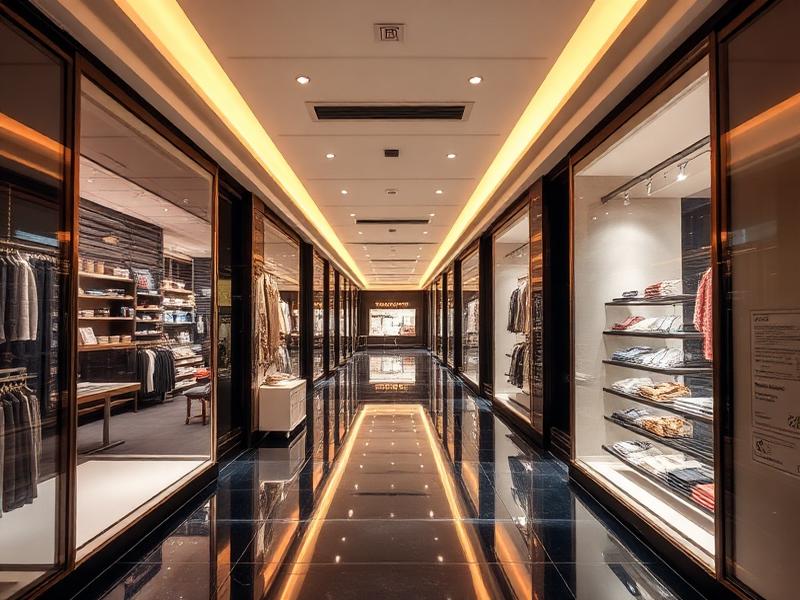
Reference images from workspace environments, shown to illustrate application and finish level rather than a specific supplier's product range.


Procurement workflow
We record what the space actually has to do — headcount, work modes, phasing, budget envelope, delivery date and any landlord or building constraint that will shape what can be installed.
Requirements are converted into a written specification and a measurable bill of quantities, so every supplier quotes the same scope, the same finish level and the same quantities.
We shortlist manufacturers, authorised channel partners and trusted trading suppliers — in India and overseas — that genuinely make or stock the specified category at the required volume.
Offers are normalised into a like-for-like comparison sheet covering unit rate, freight, duty, warranty, lead time, installation scope and payment terms, not just the headline price.
Samples, mock-ups, test certificates and factory documentation are reviewed and signed off before any bulk order is released, so the approved sample becomes the acceptance standard.
Bulk volumes are consolidated and negotiated against benchmarked rates, with commercial terms — retention, warranty, spares, defect liability — agreed in writing before award.
Purchase orders, export documentation, consolidation, freight mode, insurance, customs clearance and inland transport are coordinated against the site programme.
Deliveries are sequenced with civil, MEP and interior trades so material lands when the floor is ready for it, with storage, handling and installation access planned in advance.
Received goods are inspected against the approved specification, shortages and damages are recorded, snags are closed and warranty, spares and O&M documents are handed to the client.
Quality & commercial control
Equipment is selected against a heat load and ventilation calculation, with occupancy and equipment gains stated.
Air balancing and commissioning reports are required at handover, not treated as an optional extra.
Filter access, spares availability and service intervals are agreed with the supplier during procurement.
Enquiry
Quantities, site location and target date are enough to start. Your enquiry reaches our procurement desk at mail@sjain.io and you get a confirmation copy by email.
FAQ
VRF suits multi-zone floors with varied occupancy and gives good part-load efficiency. Ducted splits can be more economical for smaller, uniformly used spaces. The floor plate and occupancy pattern decide it, not a fixed preference.
Related services
Downloads
Newsletter
Benchmarks, cost trends and planning frameworks for enterprise workspace teams.